

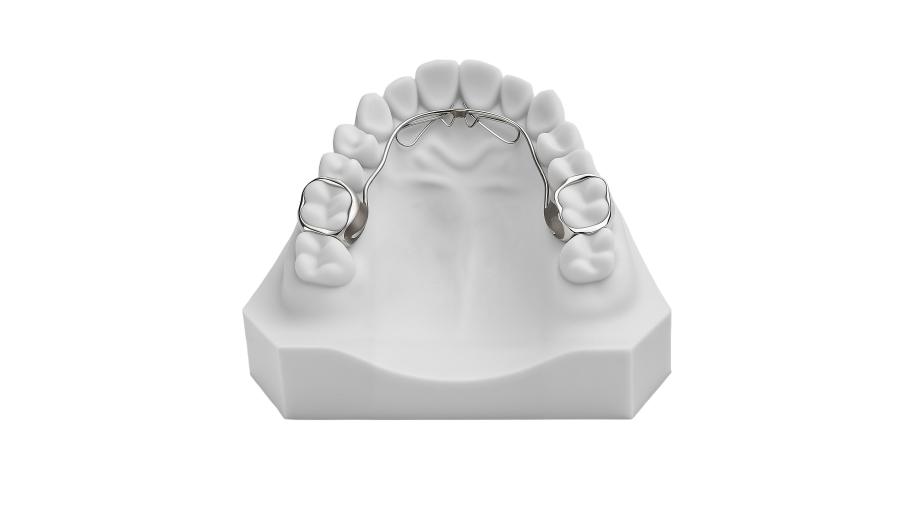
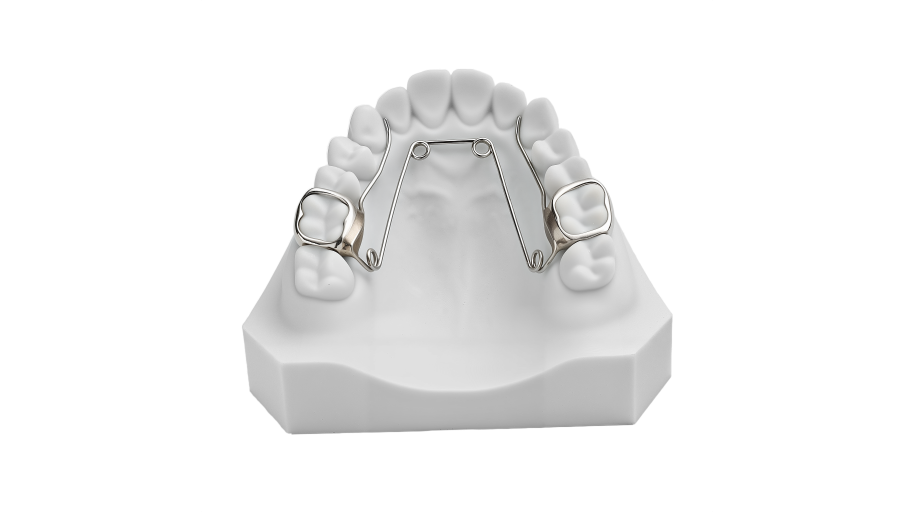
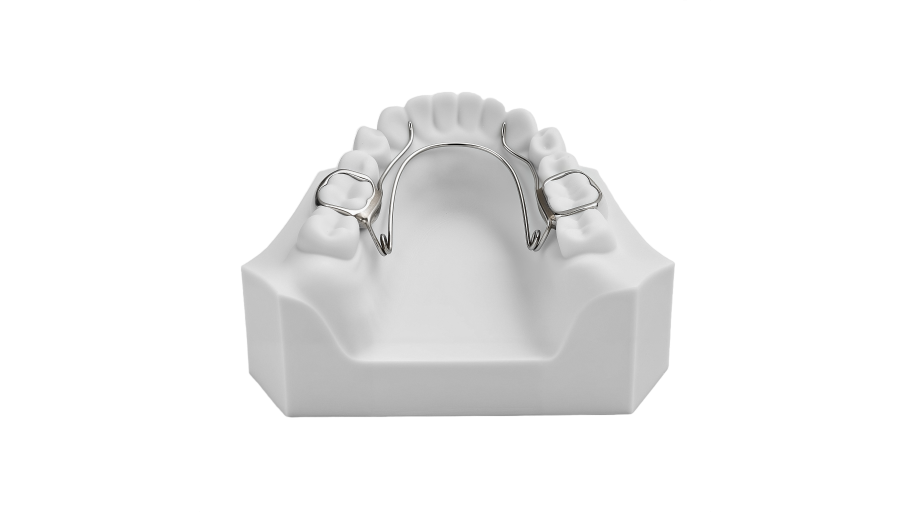
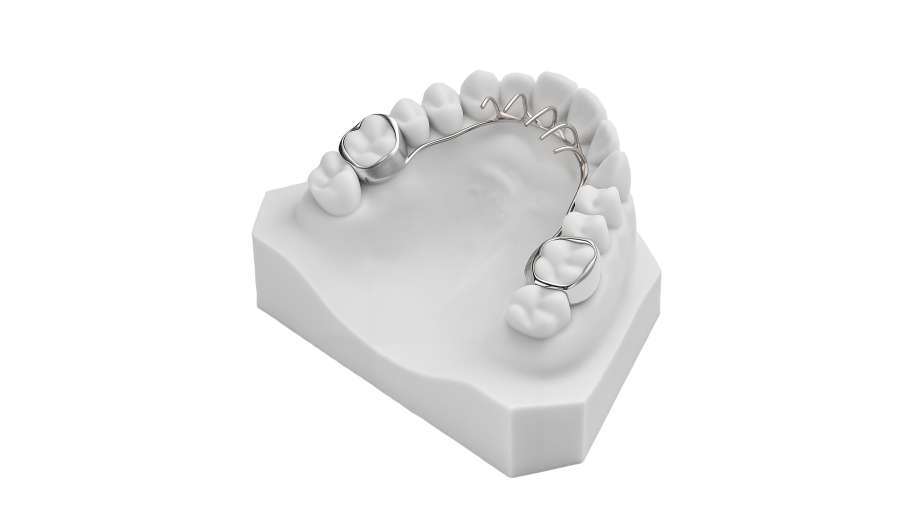
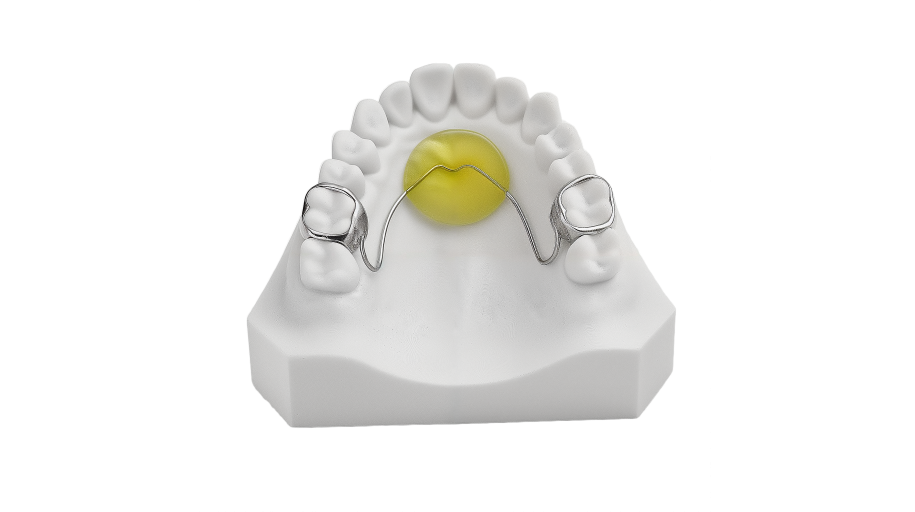
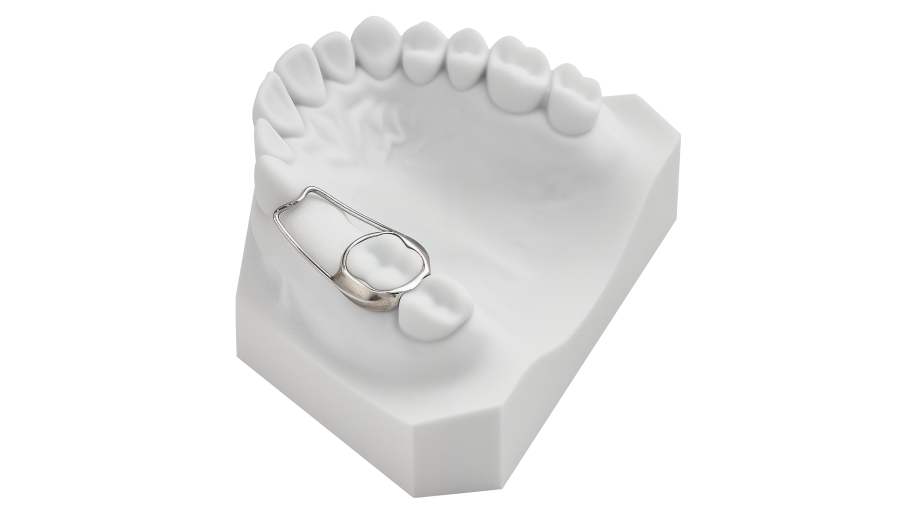
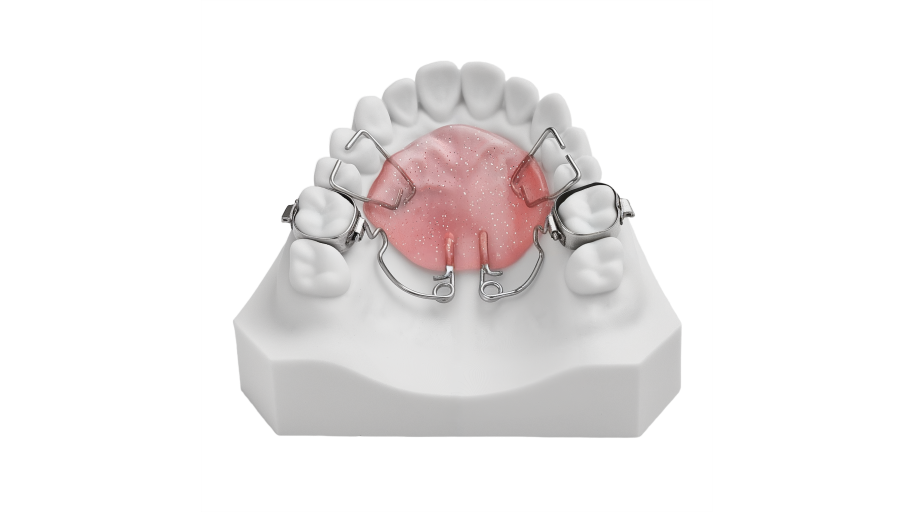
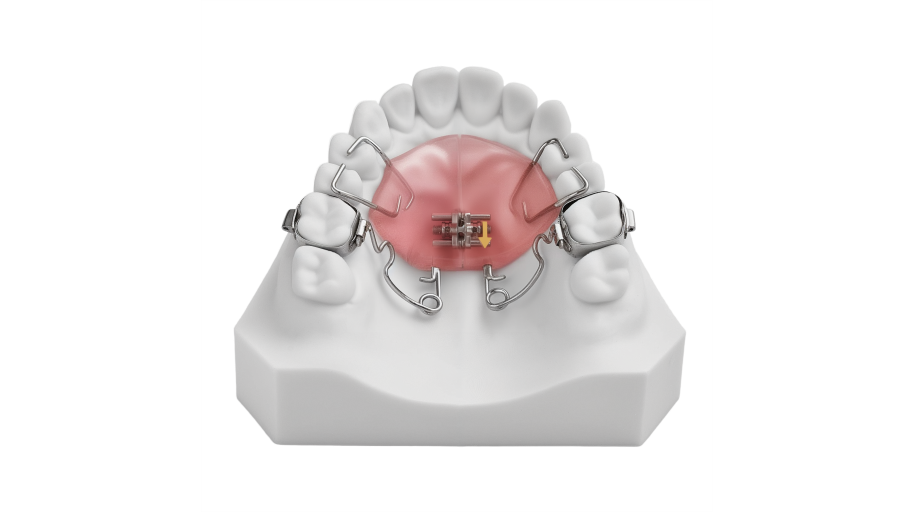
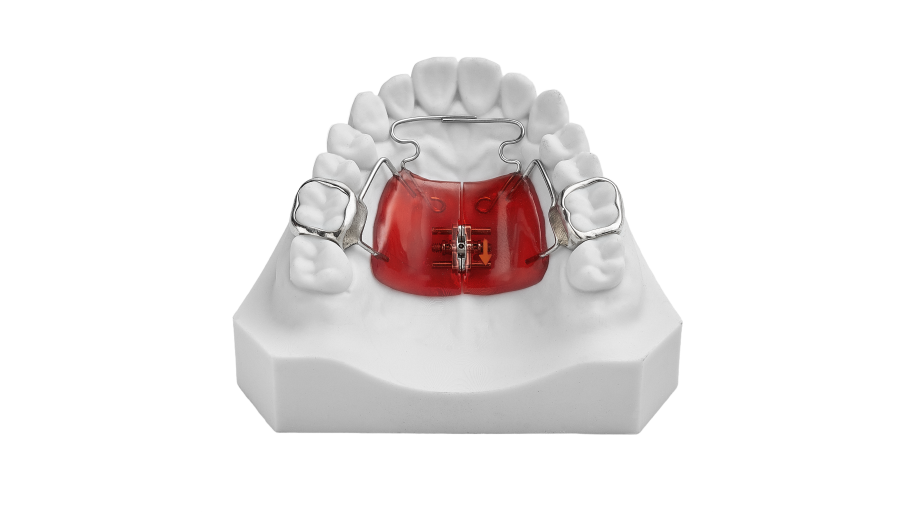
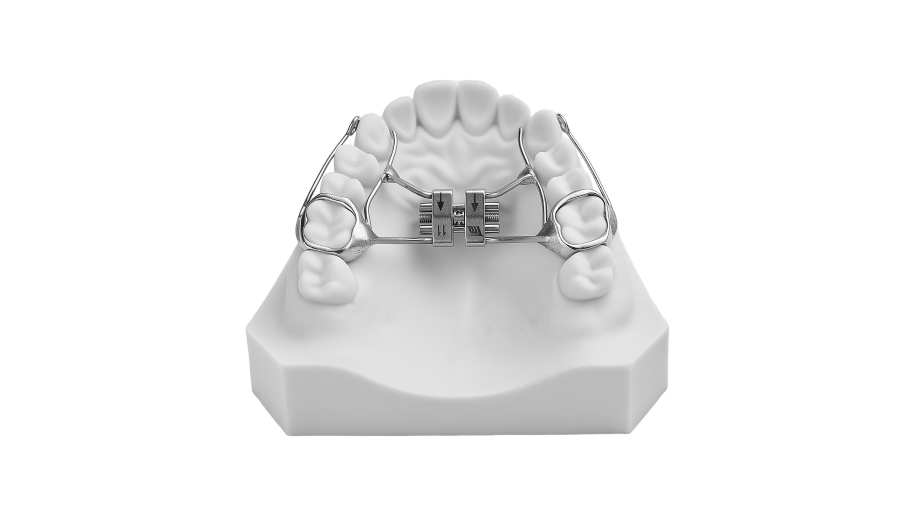
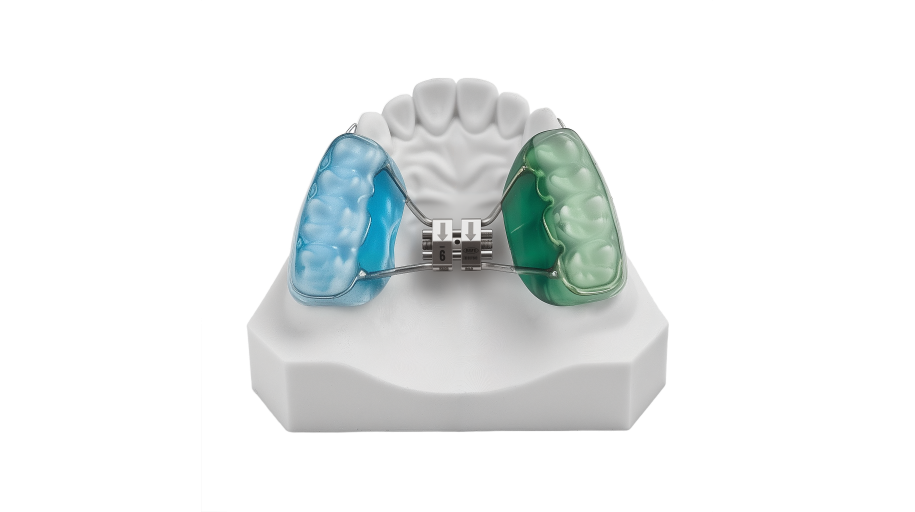
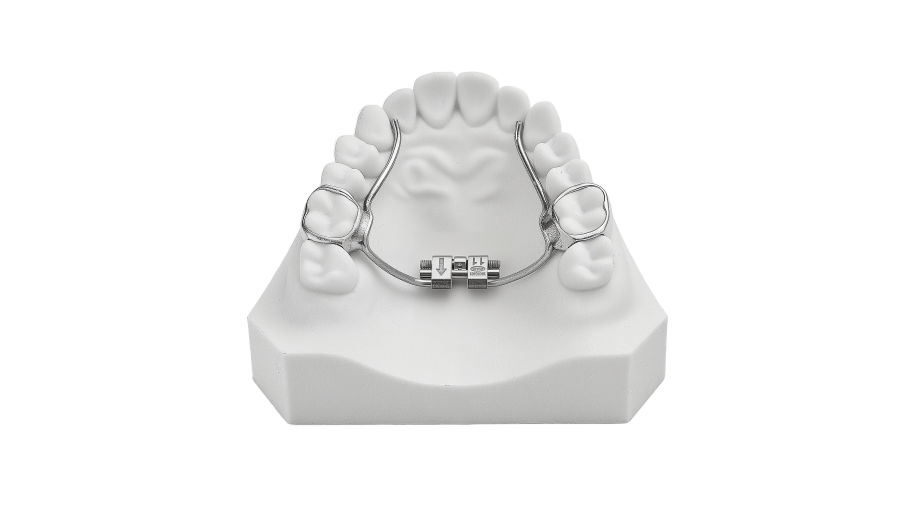
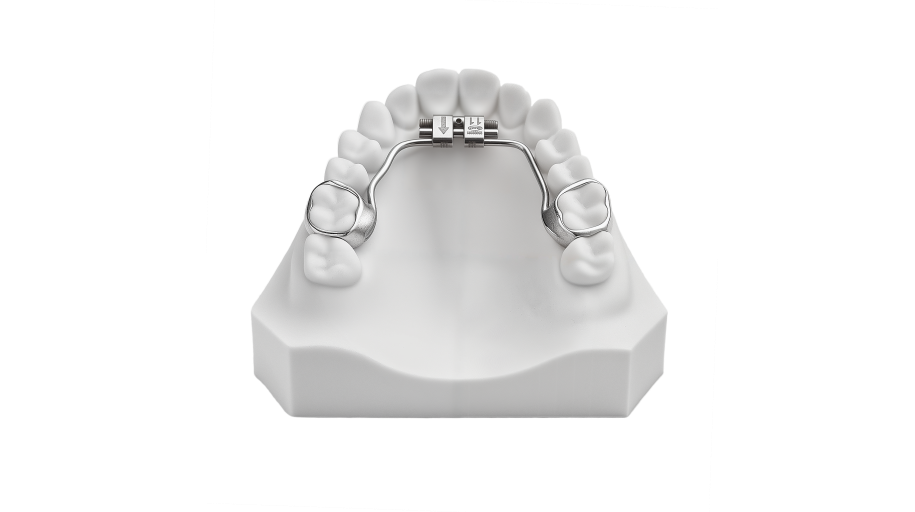
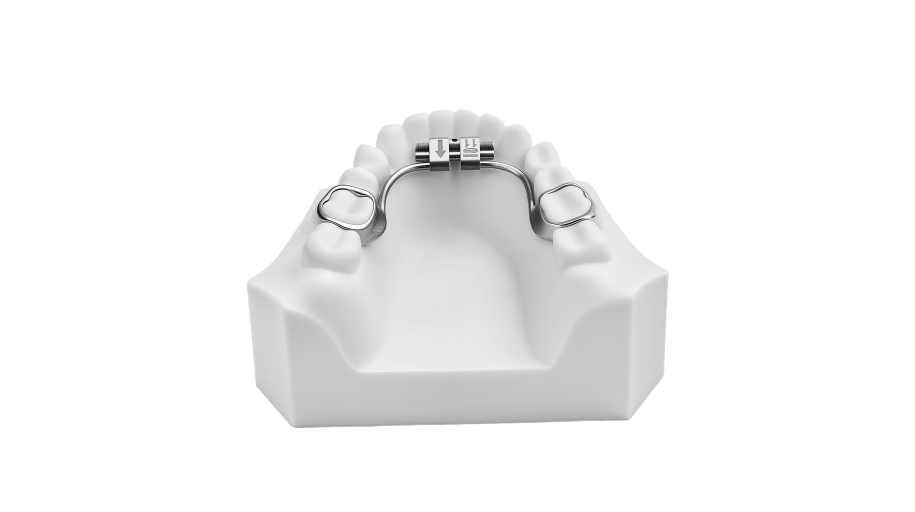
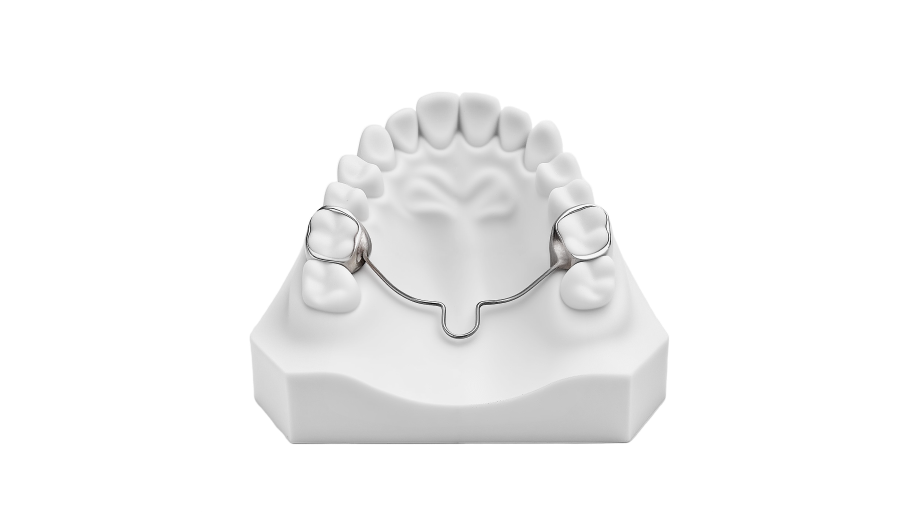
Wire Appliance

The wire appliance typically refers to a device made of wire that is used for various orthodontic treatments. Wire appliances, like braces, consist of thin wires that are attached to brackets and used to apply gentle forces to move teeth into the desired positions. These wires can provide the appropriate strength and flexibility.

contact us

Restoration Details

Indications

1. Correction of crowding, spacing, and malalignment of teeth

2. Management of Class I, II, III malocclusion

3. Correction of anterior crossbite, posterior crossbite, deep bite, open bite

4. Control of tooth inclination, rotation, and intrusion/extrusion

5. Finishing and detailing of tooth position after orthodontic treatment

6. Space closure, midline correction, and arch form optimization

7. Complex tooth movement requiring precise, controlled force

Material Composition

Powder component:

Preparation Tips

1. Prophylaxis – Clean teeth thoroughly to remove plaque and calculus

2. Tooth isolation – Keep enamel dry for reliable bracket bonding

3. Enamel conditioning – Etch, apply primer and adhesive uniformly

4. Accurate bracket positioning – Place at correct height and angulation for deal tooth movement

5. Check occlusion – Avoid premature contacts and interferences

6. Smooth wire ends – Prevent mucosal irritation and injury

7. Check soft tissue – Ensure no pressure on gingiva, frenum or alveolar mucosa

Strength Characteristics (MPa)

1. Nickel‑titanium (NiTi) archwire

◦ Tensile strength: 900–1300 MPa

◦ Modulus of elasticity: 400–800 MPa

2. Stainless steel archwire

◦ Tensile strength: 1500–2000 MPa

◦ Modulus of elasticity: 1000–1400 MPa

3. Beta‑titanium (TMA) wire

◦ Tensile strength: 800–1200 MPa

◦ Modulus of elasticity: 500–1100 MPa

4. Stainless steel brackets & bands

◦ Yield strength: 350–550 MPa

5. Ligature wire (stainless steel)

◦ Tensile strength: 400–800 MPa

6. Orthodontic adhesive resin

◦ Shear bond strength: 15–30 MPa

◦ Flexural strength: 80–120 MPa