

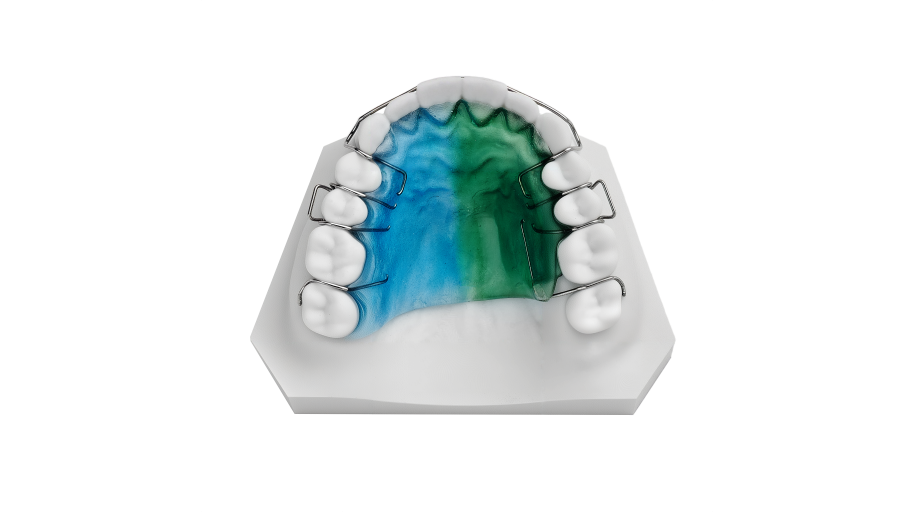
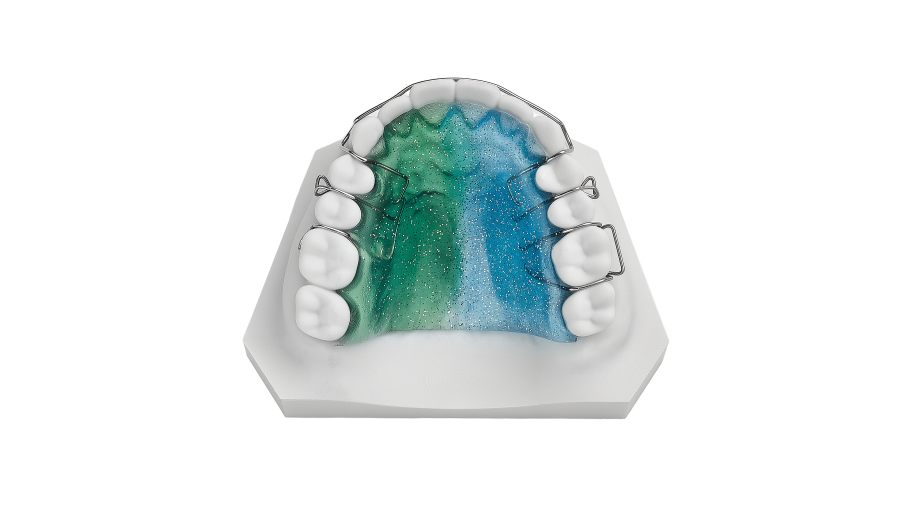
Plate Appliance

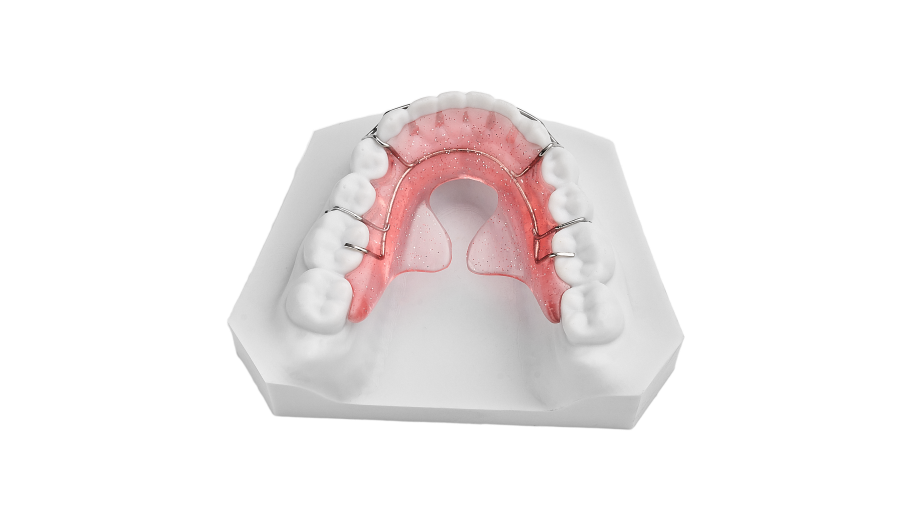
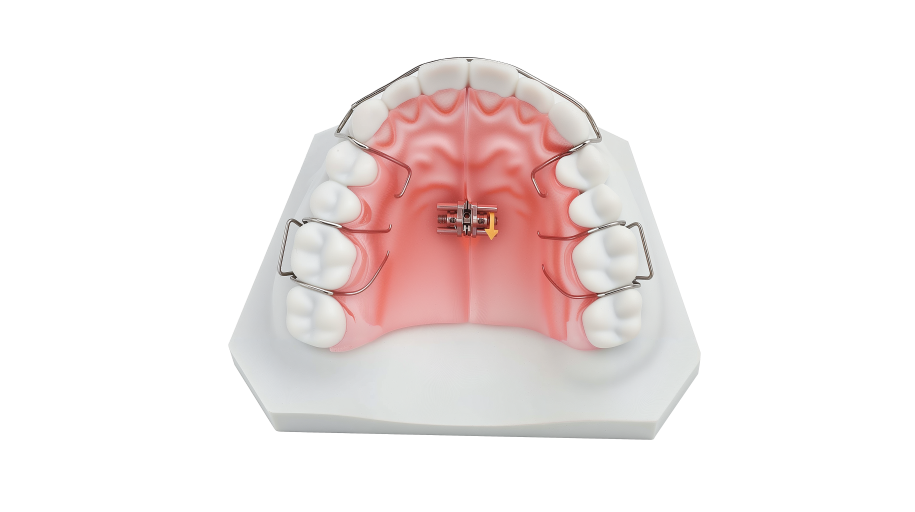
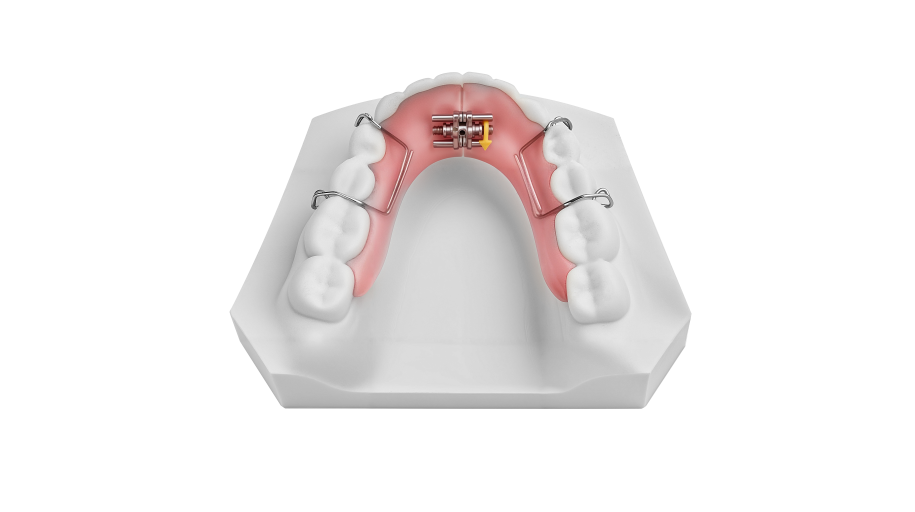
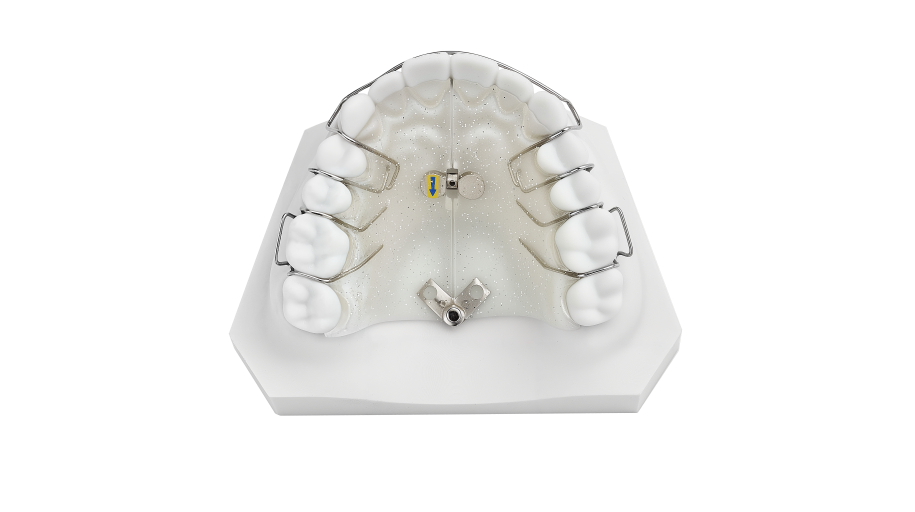
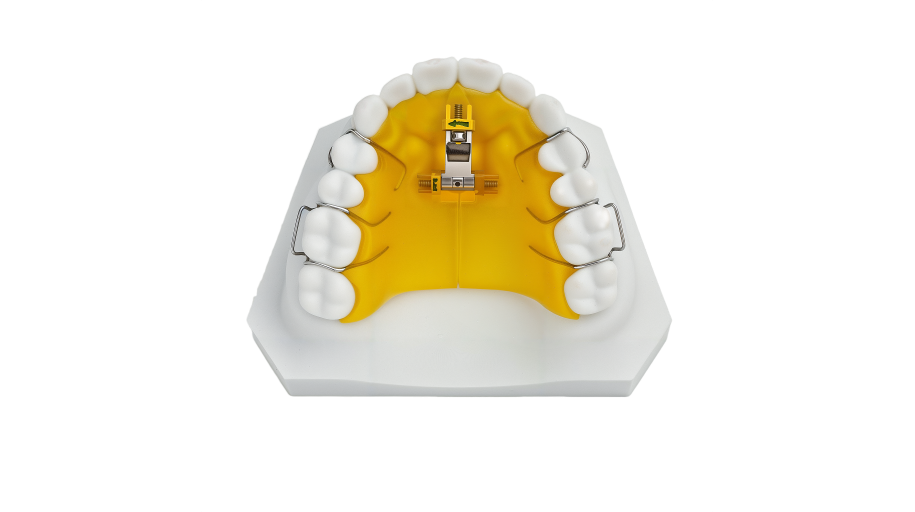
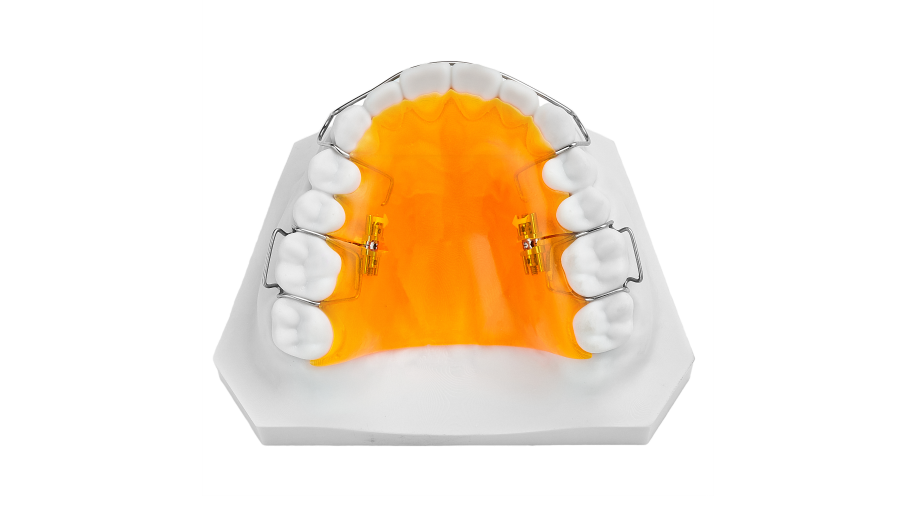
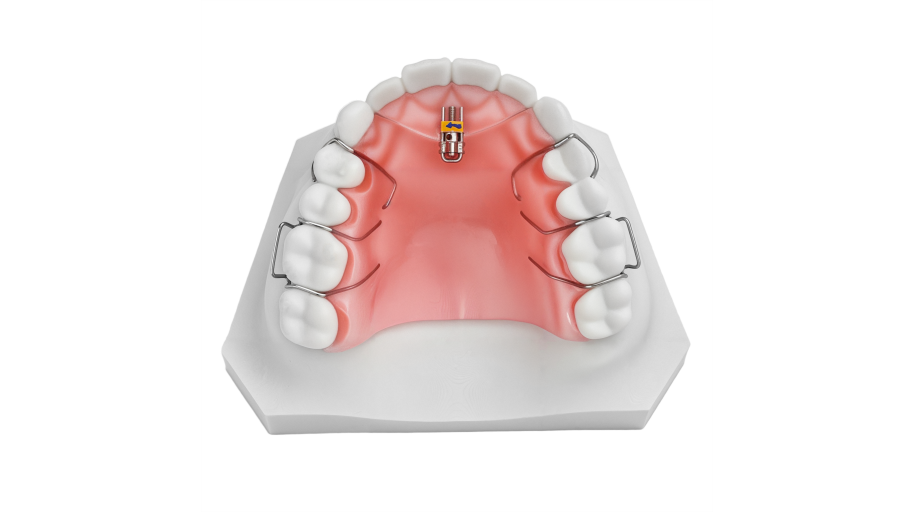
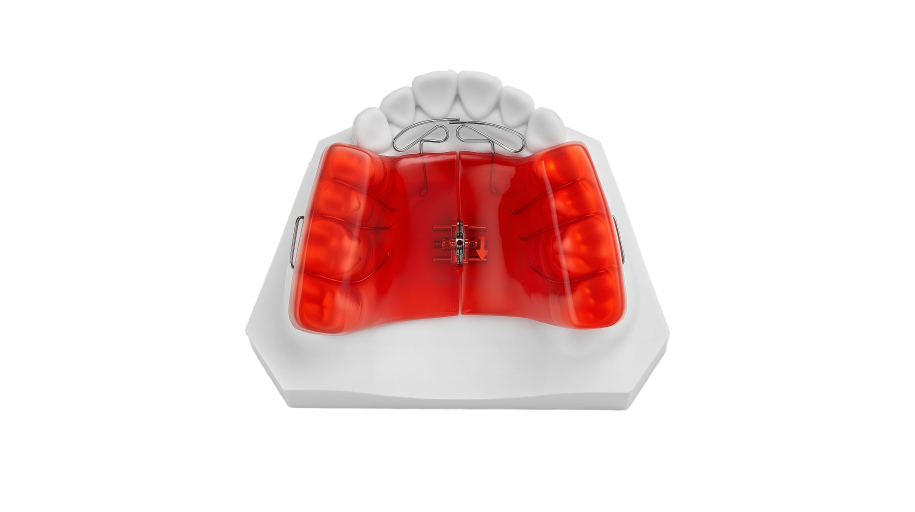
In orthodontics, a plate appliance is a hard plastic/ acrylic device which fits around the top teeth, the bottom teeth or sometimes both. It uses wires and springs to push the teeth into position, or to hold them in place as other adult teeth enter your child’s mouth. It can also aid in correcting jaw relationships: Especially in cases where there are skeletal issues.

contact us

Restoration Details

Indications

1. Correction of mild to moderate dental crowding and irregular alignment

2. Expansion of narrow maxillary or mandibular arches

3. Correction of crossbite, anterior open bite, deep bite

4. Guidance of erupting teeth in mixed dentition

5. Minor tooth movement and retention after orthodontic treatment

6. Correction of simple oral habits (e.g., thumb sucking)

Material Composition

1. Acrylic resin – base plate structure

2. Stainless steel wire – clasps, springs, and labial bows

3. Expansion screws – for arch width adjustment

4. Elastics / plastic components – for extra force or guidance

Preparation Tips

1. Take accurate maxillary and mandibular impressions

2. Record proper occlusal relationship and jaw position

3. Identify sufficient undercuts for clasp retention

4. Eliminate interfering soft tissue contours and frenulum areas

5. Ensure adequate interocclusal space for acrylic thickness

6. Design appropriate clasps, springs or expansion screws based on malocclusion type

Strength Characteristics (MPa)

1. Acrylic base plate:
Flexural strength: 90–120 MPa
Elastic modulus: 700–1000 MPa

2. Stainless steel wire (clasp, spring):
Tensile strength: 350–550 MPa

3. Expansion screw:
Yield strength: 1000–1200 MPa