

Functional Appliance

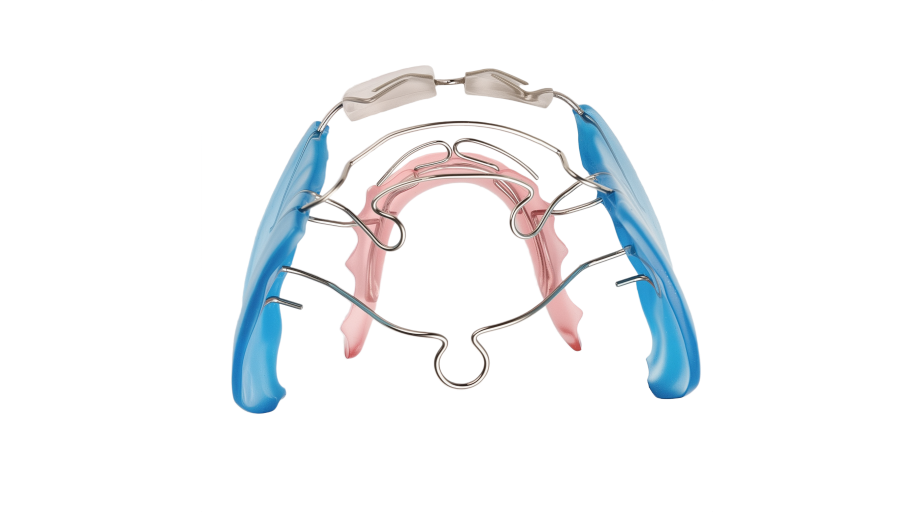
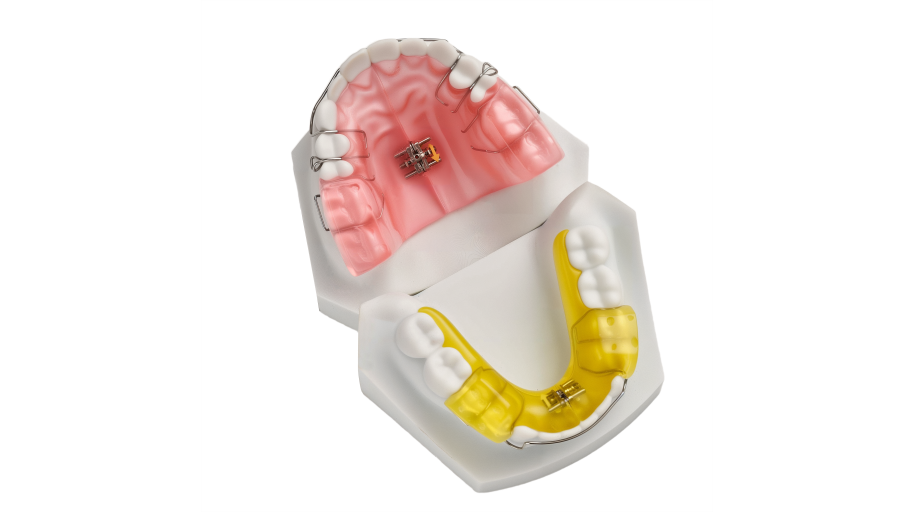
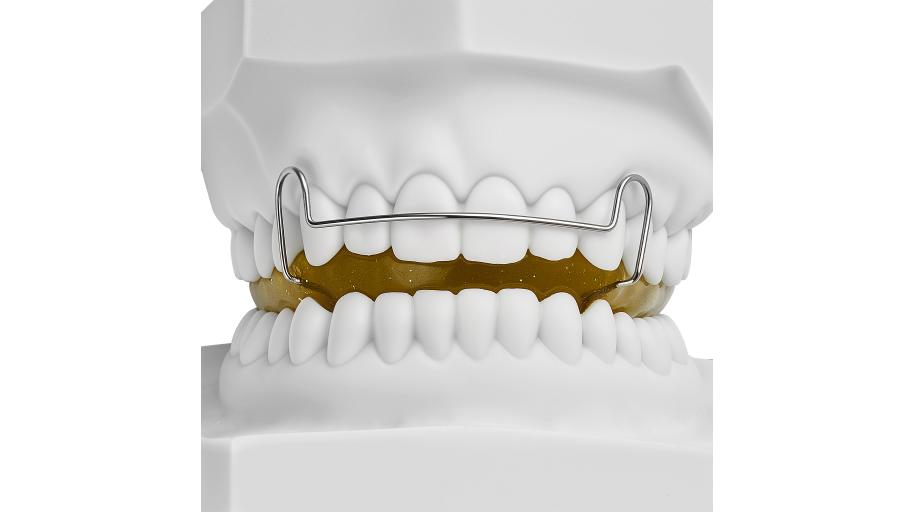
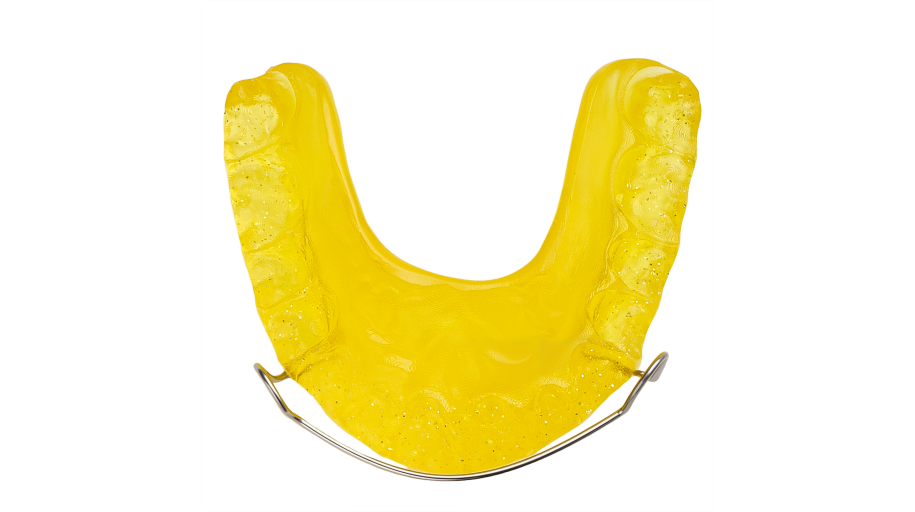
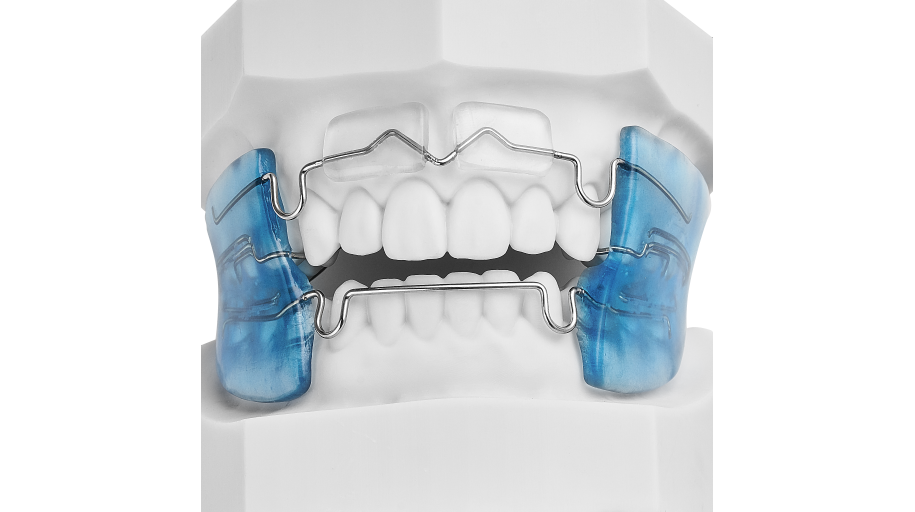
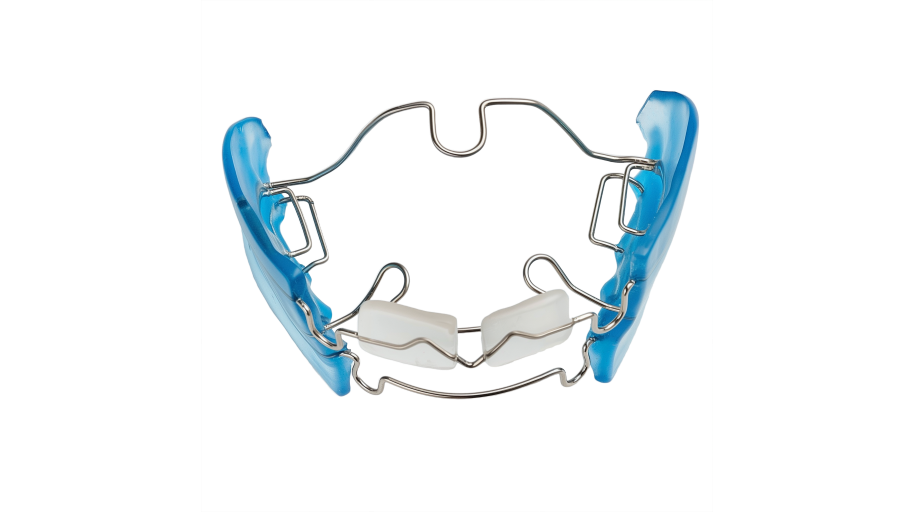
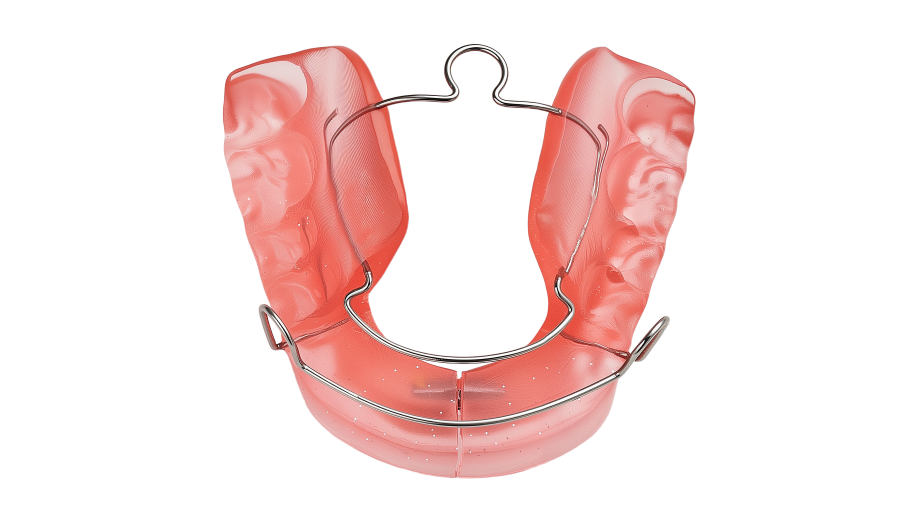
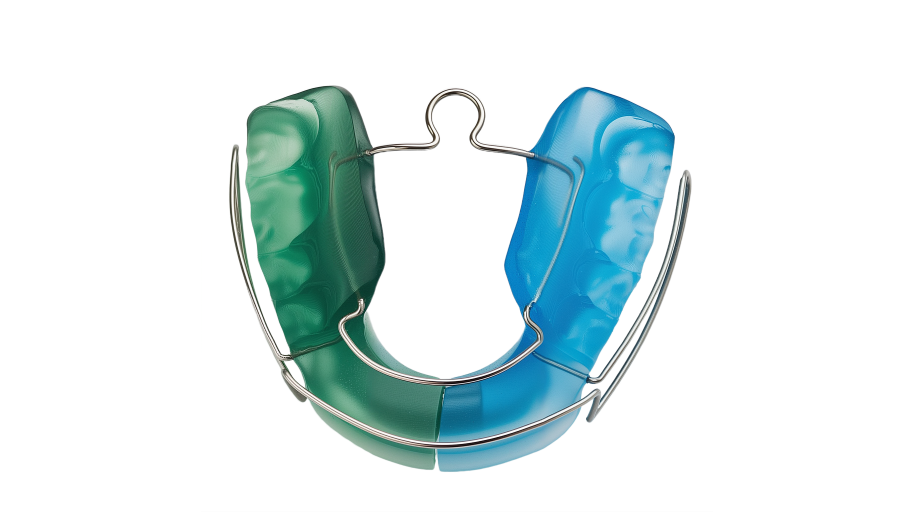
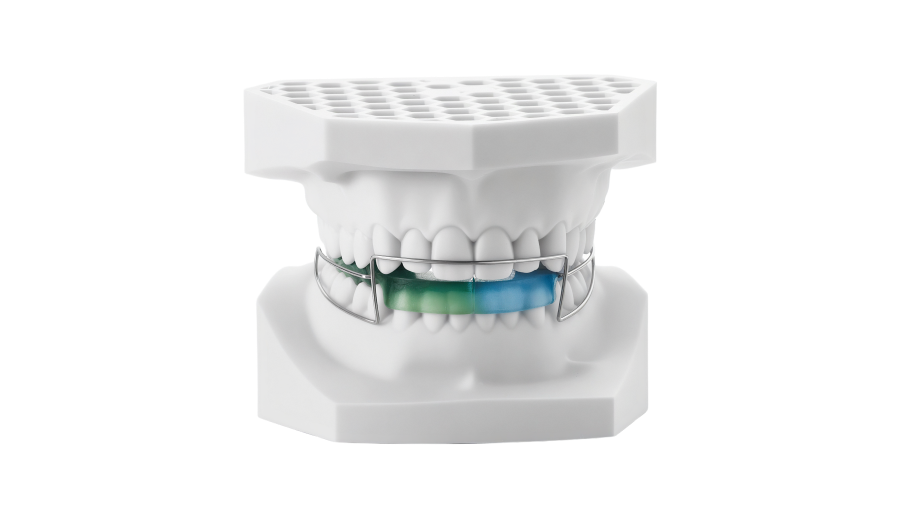
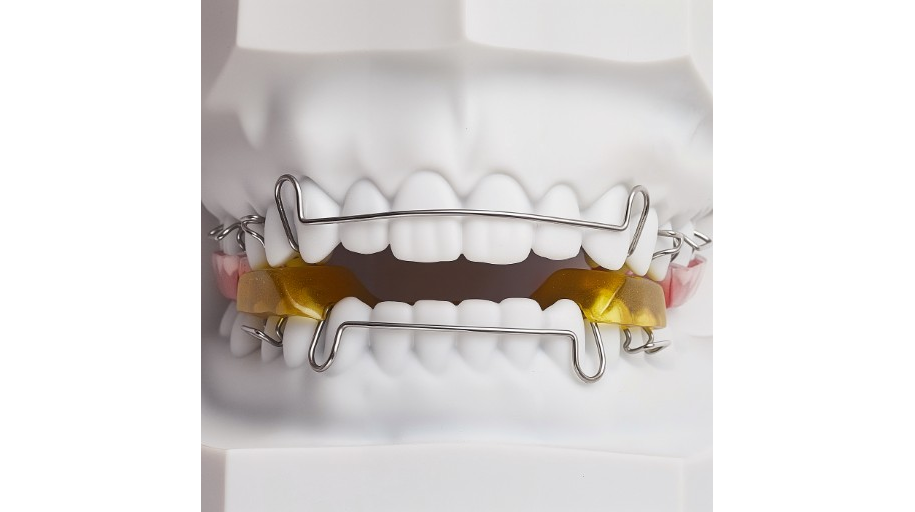
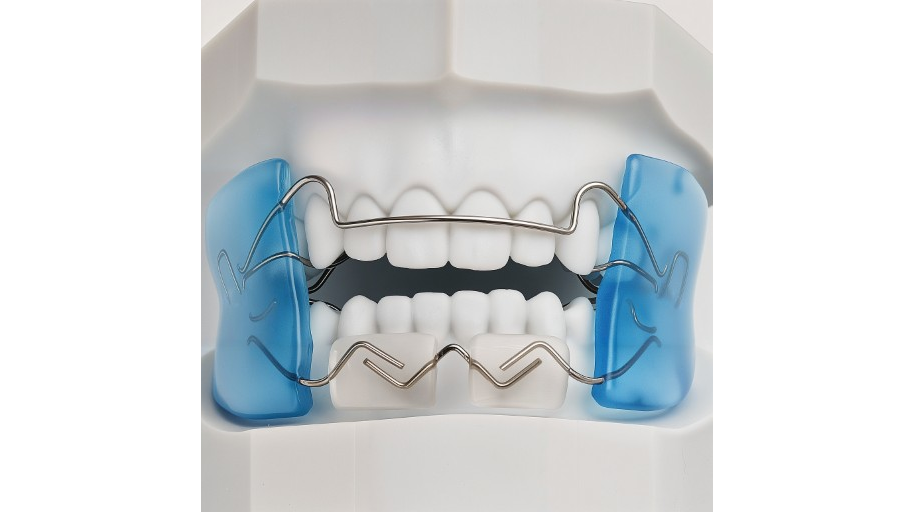
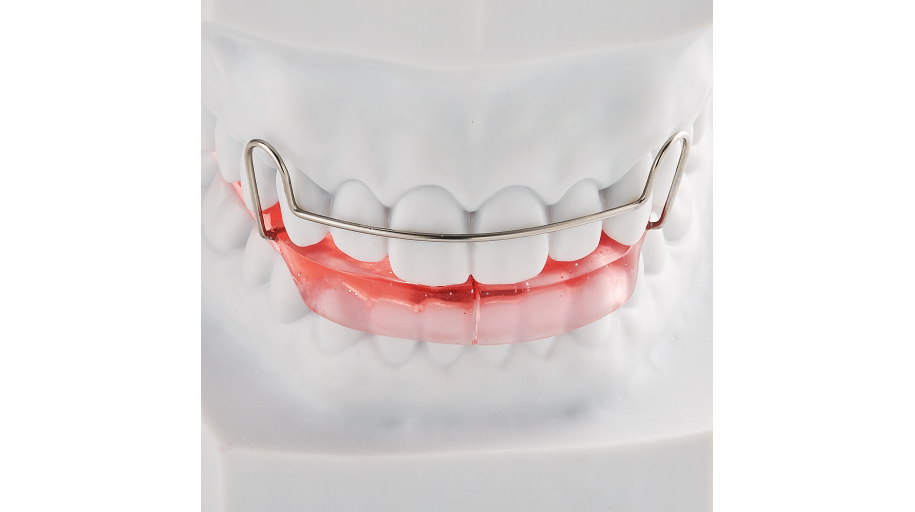
Functional appliances in orthodontics are devices used to guide jaw growth and improve bite alignment, particularly in growing children with skeletal issues like Class II malocclusion (where the upper jaw and teeth protrude). These appliances leverage the forces of the jaw muscles and soft tissues to influence jaw positioning, tooth movement, and occlusion.

contact us

Restoration Details

Indications

1. Growing children with skeletal jaw discrepancies (Class II, Class III malocclusion).

2. Correction of retrognathic mandible or maxillary prognathism.

3. Improvement of muscle imbalance and abnormal oral habits.

4. Development of favorable jaw growth and profile.

5. Correction of anterior open bite or deep bite.

Material Composition

1. Acrylic resin: base plate structure

2. Stainless steel wire: clasps, springs, connectors

3. Screws & plastic blocks: for expansion & jaw positioning

Preparation Tips

1. Take accurate impressions for upper and lower arches.

2. Record correct jaw position (centric relation or desired mandibular position).

3. Ensure good occlusal clearance and stable bite registration.

4. Remove sharp edges, excess bone or undercuts that affect fitting.

5. Check for adequate retention areas for clasps and acrylic base.

6. Confirm no interference with gingiva, frenum or muscle attachments.

Strength Characteristics (MPa)

1. Acrylic base (self-cure resin):
Flexural strength: 90–120 MPa
Elastic modulus: 700–1000 MPa

2. Stainless steel wire (clasps / springs):
Tensile strength: 350–550 MPa

3. Orthodontic expansion screws:
Yield strength: 1000–1200 MPa